Dubai Property Market Outlook 2026 - What to Expect
An honest look at the Dubai property market heading into 2026 - supply pipeline, rental trends, price forecasts, and what it means for buyers and investors.
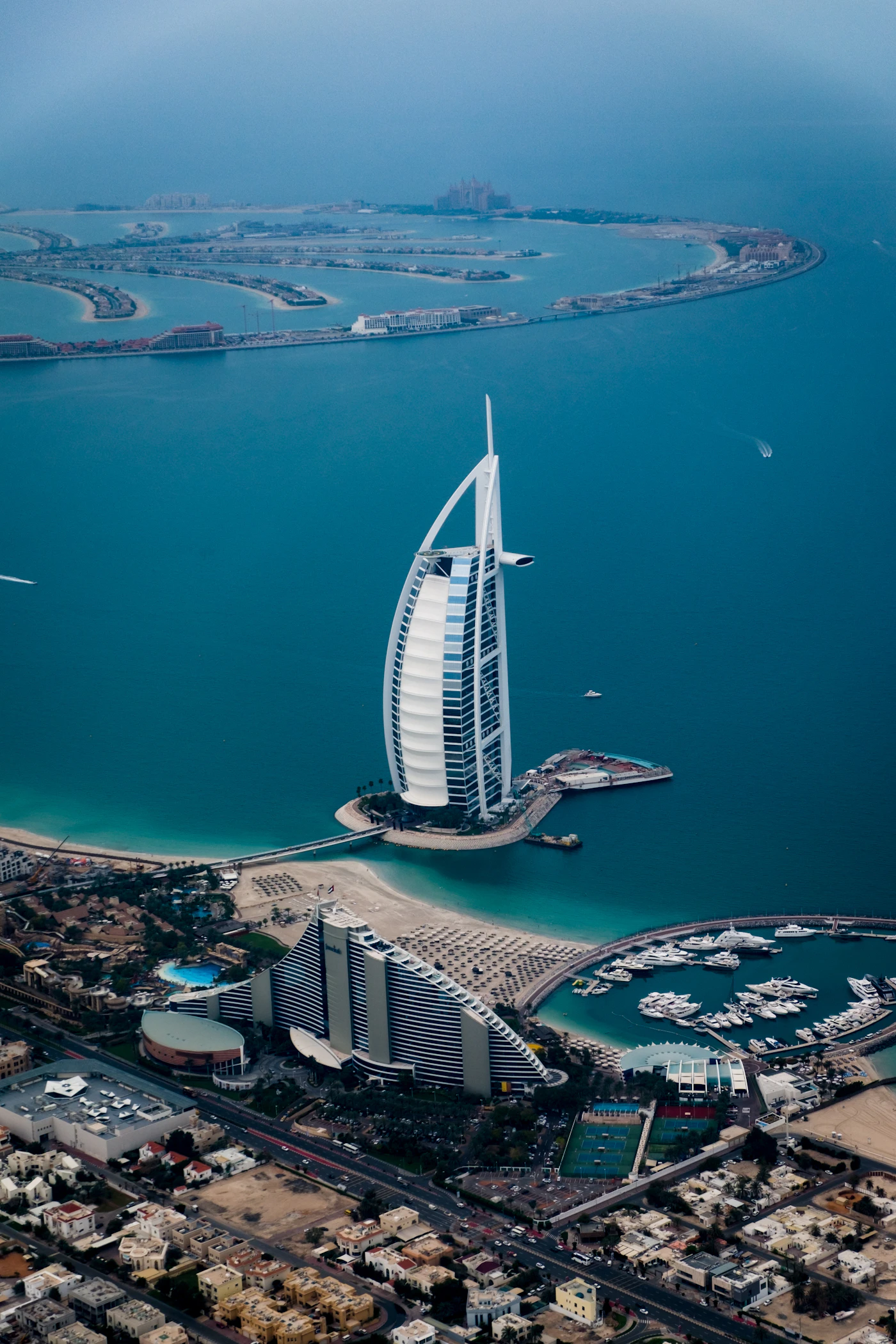
Dubai’s property market has been on a sustained run since 2021. Prices across most areas have risen 30-60% from their post-COVID lows. Rental yields remain among the strongest globally. Transaction volumes continue to break records. The question everyone is asking: does this continue into 2026?
Here is what the data suggests - and what it means for buyers, investors, and tenants.
The Supply Pipeline
This is the most important factor to watch. Dubai has a significant volume of off-plan units scheduled for completion between 2025 and 2028. Estimates vary, but the consensus is that 50,000-70,000 new residential units will enter the market over this period.
That sounds like a lot. But context matters:
- Dubai’s population is growing - the government targets 5.8 million residents by 2040 (currently around 3.7 million)
- Not all announced units will complete on schedule - historically, 30-40% of off-plan projects experience delays
- Demand drivers remain strong - remote workers, business relocation from Europe and Asia, and the UAE’s competitive tax and visa framework continue to attract new residents
The supply is coming. The question is whether demand absorbs it or whether we see localised oversupply in specific communities.
Price Expectations
After several years of strong appreciation, the rate of price growth is likely to moderate in 2026. This does not mean prices will fall - but the 15-20% annual gains seen in some areas during 2022-2024 are unlikely to repeat.
Areas likely to hold strong:
- Established master-planned communities with limited remaining supply (Downtown, Dubai Hills, Emirates Hills)
- Waterfront addresses with genuine scarcity (Palm Jumeirah, Emaar Beachfront)
- Premium areas where land is fully developed
Areas to watch carefully:
- Communities with heavy off-plan supply arriving simultaneously (parts of JVC, Dubai South, Arjan)
- Secondary locations where speculative buying has pushed prices ahead of fundamentals
- Buildings or projects from developers with unproven delivery track records
The Rental Market
Dubai’s rental market hit AED 126 billion in transaction value in 2025 - a record. Rents have risen sharply, particularly in mid-tier areas popular with working professionals and families.
For 2026:
- Rents are expected to stabilise in many areas as new supply enters the market
- Premium areas will likely maintain or see modest increases due to limited stock
- Affordable and mid-tier areas may see flat or slightly declining rents as competition increases
- Short-term rental yields remain attractive but regulatory changes could affect margins
For landlords, the key message: do not assume rents will keep rising at the same rate. Price realistically and focus on tenant retention.
For tenants, some negotiating power may return in areas with growing supply. Use the RERA calculator and market data to inform your renewal discussions.
Key Trends to Watch
1. Institutional Investment
Large institutional investors (sovereign wealth funds, family offices, REITs) are increasing their Dubai allocation. This brings stability and liquidity to the market but also drives prices at the premium end.
2. End-User vs Investor Mix
The healthiest market cycles are driven by end-users - people buying to live in. Dubai’s market has shifted more towards end-user demand in recent years, which is a positive signal. Watch for areas where speculative investor activity dominates - these are more vulnerable to corrections.
3. Infrastructure and Master Plans
The Dubai 2040 Urban Master Plan is reshaping the city. New Metro extensions, road infrastructure, and community development will create value in emerging areas. Pay attention to where infrastructure investment is going - it tends to lead price appreciation by 2-3 years.
4. Regulatory Environment
RERA continues to strengthen buyer protections, escrow regulation, and developer accountability. This is good for long-term market health, even if it creates short-term friction for some developers.
What Should You Do?
If You Are Buying to Live In
The best time to buy is when you find the right property at a price you can afford. Trying to time the market perfectly is a losing strategy. Focus on location quality, developer reputation, and your personal timeline.
If You Are an Investor
Be selective. The easy gains of 2022-2024 are behind us. Focus on:
- Ready properties with proven rental demand
- Areas with limited future supply
- Buildings by reputable developers with strong service charge management
- Properties that work on current rental yields, not projected capital appreciation
If You Are a Tenant
You have more options than you think. With new supply entering the market, negotiate from a position of data. Check the RERA calculator, compare listings in your area, and do not accept above-market increases without pushback.
The Bottom Line
Dubai’s property market fundamentals remain strong. Population growth, economic diversification, tax advantages, and quality of life continue to attract global capital and residents. But after several years of rapid appreciation, 2026 is likely a year of consolidation rather than acceleration.
That is not a bad thing. Sustainable, moderate growth is healthier than unsustainable spikes. For buyers with a 5-10 year horizon, Dubai remains one of the most compelling property markets globally.
Want to discuss specific areas or investment strategies? Get in touch on WhatsApp or email dave.buckley@paragonproperties.ae.