Dubai's Rental Market Hits AED 126 Billion - What It Means for Investors and Tenants
Dubai's rental market reached AED 126 billion in 2025. Here's what's driving demand, where yields are strongest, and what both landlords and tenants should know.
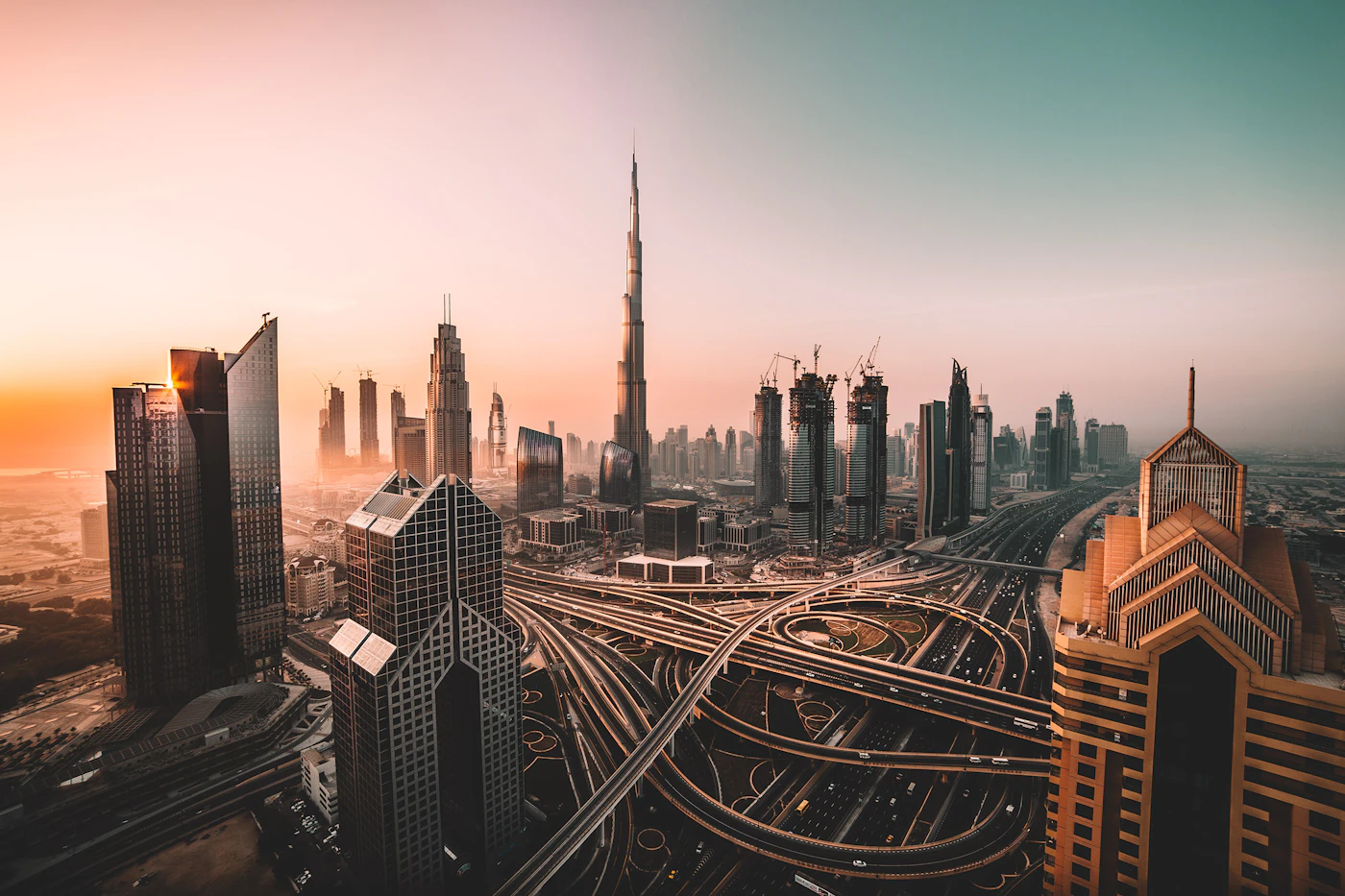
Dubai’s rental market crossed a major milestone in 2025, with total rental transactions reaching AED 126 billion according to Dubai Land Department (DLD) data. That figure represents a sharp increase on the previous year and confirms what anyone living here already knows: demand for rental property in Dubai is intense, and it is not slowing down.
Whether you are a landlord looking to maximise returns or a tenant trying to navigate a competitive market, this post breaks down what is actually happening, where the strongest yields are, and what to expect going forward.
What Is Driving Rental Demand?
Several factors are converging to push Dubai’s rental market to record levels. None of them are temporary.
Population growth remains the biggest driver. Dubai’s population has been growing at roughly 4-5% per year, fuelled by new residents relocating from Europe, South Asia, the wider Middle East, and increasingly from North America. The city is expected to welcome over 5.8 million residents by 2030 under the Dubai Economic Agenda (D33), and every one of those people needs somewhere to live.
Visa reforms have made it significantly easier to stay long-term. The expansion of Golden Visas, the introduction of freelancer and remote worker permits, and the five-year Green Visa have all removed barriers that previously kept people from committing to Dubai. More long-term residents means more sustained rental demand, not just short-term visitors cycling through.
Remote and hybrid working continues to bring professionals who can work from anywhere but choose Dubai for its tax advantages, connectivity, safety, and lifestyle. Many of these arrivals rent first before deciding whether to buy, creating a consistent pipeline of new tenants.
Quality of life is the less talked about factor, but it matters. World-class infrastructure, year-round sunshine, excellent schools, and a growing cultural scene all make Dubai an easy sell for families and professionals alike. People come for the opportunity and stay for the lifestyle.
Where Are the Strongest Rental Yields?
Not all areas are created equal when it comes to returns. The sweet spot depends on whether you are targeting budget, mid-range, or premium tenants.
Budget and Mid-Range (Gross Yields of 7-9%)
Jumeirah Village Circle (JVC) consistently delivers some of the highest gross yields in Dubai, often sitting between 7% and 9% for studios and one-bedroom apartments. High tenant demand, relatively affordable purchase prices, and strong occupancy rates make it a favourite for investors.
Arjan offers similar dynamics to JVC with slightly newer stock. Yields here have been climbing as the area matures and more amenities come online.
Dubai South appeals to tenants working near Al Maktoum International Airport and the Expo City district. With significant infrastructure investment planned, rental demand is expected to grow further.
International City and Dubai Silicon Oasis remain strong performers for investors focused on affordability. Purchase prices are low, tenant demand is reliable, and gross yields of 8% or more are achievable.
Premium (Gross Yields of 5-7%)
Downtown Dubai commands premium rents driven by its iconic location, walkability, and access to Dubai Mall, the Burj Khalifa, and Dubai Opera. Gross yields typically sit between 5.5% and 6.5%, but capital appreciation and the calibre of tenants make it a different proposition to budget areas.
Dubai Marina benefits from waterfront living, beach access, and a strong tenant community. One and two-bedroom apartments perform particularly well here.
Palm Jumeirah is a category of its own. Rental prices for villas and high-end apartments on the Palm are among the highest in the city, and demand from high-net-worth tenants, including those seeking short-term holiday home lets, remains robust.
Gross yields do not tell the whole story. Service charges, maintenance costs, management fees, and potential void periods all eat into your net return. Always run the numbers on net yield before making a decision.
What This Means for Landlords
If you own rental property in Dubai, the headline is positive: demand is strong and rents have increased significantly over the past few years. But there are nuances worth paying attention to.
Competition is increasing. A large volume of new supply is being handed over, particularly in areas like JVC, Business Bay, and Dubai Creek Harbour. More units on the market means tenants have more choice, and landlords who do not present their properties well or price them realistically may find longer void periods.
Presentation matters more than ever. Furnished apartments, well-maintained units, and properties with modern finishes command a premium. A few thousand dirhams spent on staging or minor upgrades can translate into significantly higher annual rent.
Short-term rentals are an option, but come with regulation. If you are considering Airbnb or other holiday home platforms, you will need a DTCM (Department of Tourism and Commerce Marketing) licence, and the rules are strict. The returns can be higher than long-term lets, but so is the effort involved. Do your homework before committing.
Ejari registration is mandatory. Every tenancy contract in Dubai must be registered through Ejari. This protects both landlord and tenant, and is required for the tenant to set up DEWA (utilities), sponsor visas, and more. Never skip this step.
What This Means for Tenants
For tenants, the market is competitive but not without protections. Dubai has a well-established framework to keep things fair.
Know the RERA Rental Index. The Real Estate Regulatory Agency (RERA) maintains a rental index that determines how much a landlord can increase rent at renewal. If your current rent is below the average for your area and property type, the landlord may be entitled to increase it. If it is at or above the average, increases are limited or not permitted. You can check this using the RERA rental calculator on the DLD website.
Your rights are protected by law. Landlords must give 90 days’ written notice (via notary public or registered mail) before any rental increase. They cannot evict you mid-contract without specific legal grounds, and even for legitimate reasons, 12 months’ notice is typically required. Familiarise yourself with Law No. 26 of 2007 and its amendments.
Negotiate at renewal. Even in a strong market, there is often room for discussion. Offering to sign a longer lease, paying in fewer cheques, or agreeing to a slightly earlier renewal can all work in your favour.
Budget for more than just rent. Factor in DEWA deposits, Ejari fees, agency commission (typically 5% of annual rent), and the 5% municipality housing fee that appears on your DEWA bill. These costs add up, and it is better to know about them upfront.
Downtown Dubai - A Closer Look
As a Downtown Dubai specialist, I watch this market closely. Downtown continues to be one of the most sought-after rental locations in the city, and 2025 reinforced that.
Rental prices for one-bedroom apartments in Downtown typically range from AED 80,000 to AED 140,000 per year depending on the building, view, and whether the unit is furnished. Two-bedrooms range from AED 130,000 to AED 250,000, with Burj Khalifa and fountain-view units commanding the highest premiums.
Occupancy rates remain high. The area’s walkability, proximity to DIFC, and the sheer density of dining, retail, and entertainment options make it a magnet for professionals and families who want an urban lifestyle. Hotel-branded residences like Address Downtown and Vida Downtown also perform strongly in the short-term rental market.
For investors, Downtown offers a blend of solid rental income and long-term capital appreciation that few other areas can match. It is not the highest-yielding area on paper, but the quality of tenants, low void periods, and consistent demand make it one of the most reliable.
Outlook - What Comes Next?
Rental demand in Dubai is unlikely to soften in the near term. Population growth continues, visa reforms keep attracting new residents, and the city’s infrastructure investment shows no signs of slowing.
That said, supply is the variable to watch. Tens of thousands of new units are expected to be handed over in 2026 and 2027, with significant new stock in Business Bay, Dubai Creek Harbour, Dubai South, and JVC. This will not crash the market, but it will moderate rent increases in areas with heavy supply.
The most resilient areas will be those with limited new supply and established demand, which includes much of Downtown Dubai, parts of Dubai Marina, and the Palm. Budget areas with heavy new supply may see yields compress slightly as tenants gain more negotiating power.
For landlords, the focus should be on maintaining property standards, pricing competitively, and understanding what tenants actually want. For tenants, the growing supply is good news as it means more options and more room to negotiate.
Dubai’s rental market at AED 126 billion is a remarkable number, and it reflects a city that continues to attract people from all over the world. Whether you are investing or renting, the fundamentals remain strong.
Get in Touch
If you are looking at rental property in Downtown Dubai, whether as a landlord wanting to maximise your returns or a tenant searching for the right home, I am happy to help. Reach out on WhatsApp at +971 50 301 9926 or email me at dave.buckley@paragonproperties.ae for a straightforward conversation about your options.